Late summer means one thing for many livestock families: state fair season has arrived. Months of early mornings, careful feeding, daily exercise and endless practice all lead to a few exciting days in the show ring. While ribbons and banners may be the ultimate goal, the biggest challenge often begins long before the judge steps into the ring. For our family, and I assume many others, a daily countdown and weekly weigh-in are just a few of the management tools to ensure the animals we have poured into all summer are dialed in.
Successful state fair show livestock preparation is about much more than clipping hair, washing animals or packing show boxes and coolers. State fairs expose livestock to unfamiliar environments, long trailer rides, crowded barns, changing weather, loud noises and countless new animals. Each of these factors creates stress that can impact appetite, hydration, comfort and ultimately performance.
Preparing for those challenges before loading the trailer helps exhibitors keep livestock healthy, confident and ready to compete from arrival until the final class.
Why State Fairs Are More Stressful Than Local Shows
Many exhibitors spend the summer attending jackpot or county fairs, but state fairs present a completely different level of environmental stress.
Animals may experience:
- Longer hauling distances
- Higher temperatures
- Increased humidity
- Large crowds
- Constant noise
- Different water sources
- Irregular feeding schedules
- Limited rest
- Increased disease exposure
- Extended time away from home
Each stressor alone may seem manageable. Together, however, they create a cumulative effect that challenges an animal’s digestive system, immune function and overall well-being.
The more comfortable livestock remain throughout these changes, the better they are able to maintain normal feed intake, hydration and performance.
State Fair Show Livestock Preparation when the Animals Get to Your Barn
Winning at the state fair doesn’t begin the day you leave home.
Preparation should begin several weeks before departure. During this time, exhibitors should focus on developing consistent routines that animals can rely on, including feeding schedules, exercise, washing and handling. Animals that experience consistency at home typically adapt better when their surroundings suddenly change.
For our family, and I assume many others, a daily countdown and weekly weigh-in are just a few of the management tools to ensure the animals we have poured into all summer are dialed in. These weekly weigh-ins are also an excellent opportunity to evaluate body condition and make nutritional adjustments gradually instead of making last-minute feed changes that may upset digestion.
Travel Creates Hidden Stress
The trailer ride may only last a few hours, but transportation places significant physical demands on livestock.
Animals spend the trip balancing their bodies, adjusting to movement and often standing for extended periods without eating or drinking normally.
After unloading, they must immediately adapt to:
- New smells
- Different bedding
- Strange animals
- New caretakers nearby
- Increased activity
- Different noises
These adjustments require energy that could otherwise be used for growth, muscle maintenance and performance.
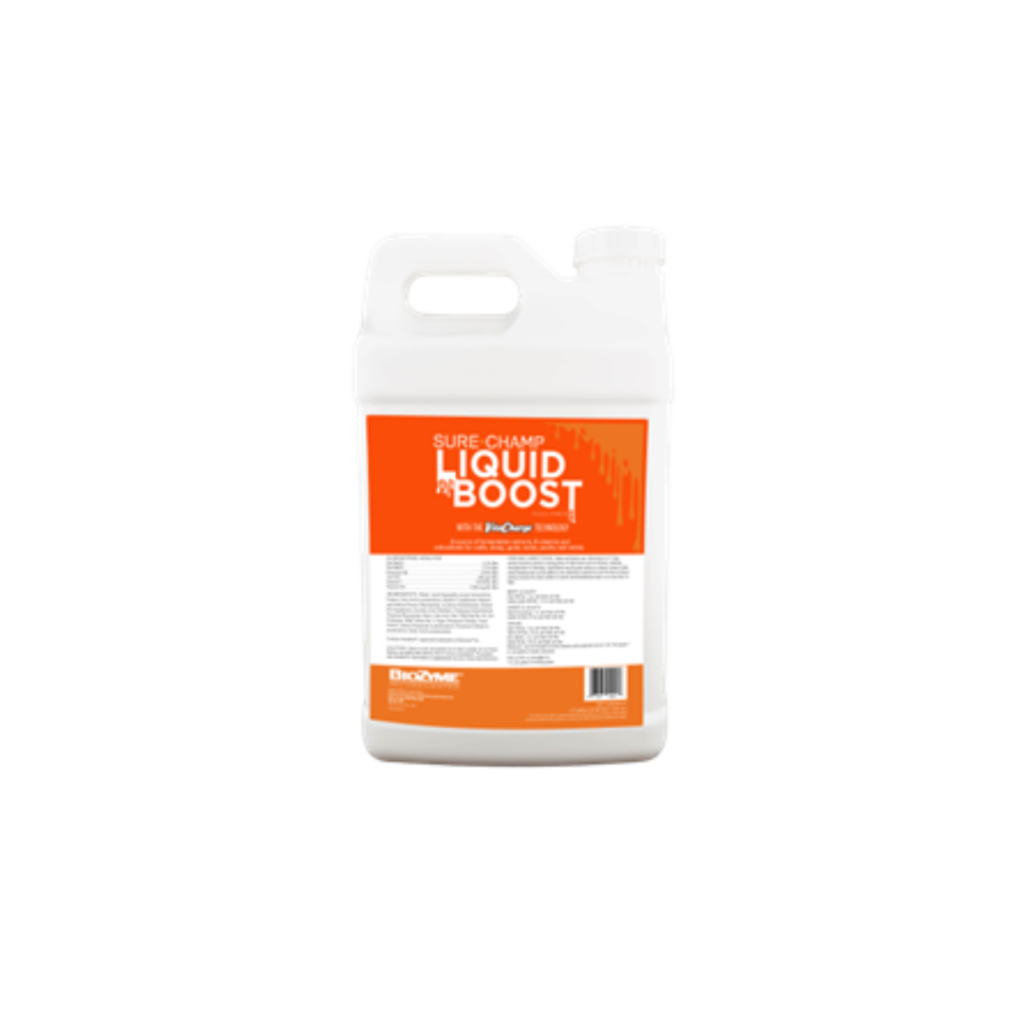
Helping animals recover quickly from travel should be part of every exhibitor’s preparation plan. That’s one reason we recommend Sure Champ® Liquid Boost® at least a few days before leaving home and while at the show. It helps give your animals a boost when in stressful situations, helping increase appetite and hydration. Sure Champ Liquid Boost is a liquid for all livestock designed to provide immediate support to the animal’s digestive and immune system. It contains AO-Biotics® Amaferm®, a prebiotic research-proven to enhance digestibility and MOS, which helps normalize gut microflora and support the immune system. Liquid Boost works for all livestock species and contains flavoring to help increase feed or water intake. The flavoring helps mask any chlorine found in water that animals might not be accustomed to.
Furthermore, when you get the state fair, or any lengthy show, exhibitors should also watch for signs of dehydration, including lethargy, reduced appetite, or dry mucous membranes.
Heat Stress Doesn’t End at Home
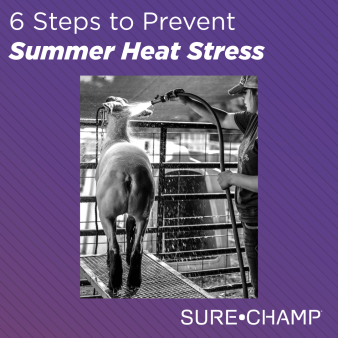
Many exhibitors spend weeks preparing livestock for summer heat at home, but state fairs often create even greater summer heat stress.
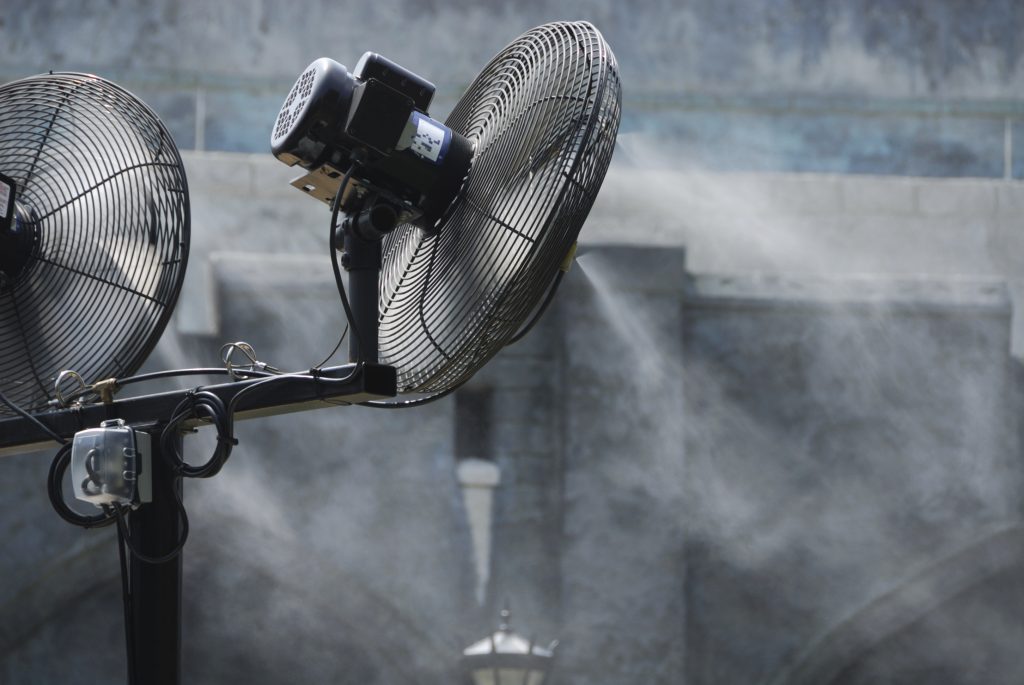
Barns filled with hundreds of animals naturally generate additional heat and humidity. Limited airflow, concrete floors and crowded aisles make cooling more difficult, especially during afternoon hours.
Heat stress impacts more than comfort.
Animals experiencing elevated body temperatures often: Drink differently
- Become fatigued
- Lose bloom and freshness
- Experience slower recovery after exercise
- Have reduced focus in the show ring
Because state fairs typically occur during some of the hottest weeks of the year, cooling strategies become just as important as nutrition.
Tips to Reduce Heat Stress
Simple management practices can make a noticeable difference.
- Provide unlimited access to clean, fresh water.
- Offer shade whenever possible.
- Use fans to improve airflow.
- Rinse or cool animals during the hottest part of the day when appropriate for the species.
- Avoid unnecessary exercise during peak afternoon temperatures.
- Maintain consistent feeding times.
Even small improvements in comfort help animals remain more relaxed throughout the fair.
Nutrition Supports Animals During Stress
Stress places additional demands on every body system.
When animals encounter heat, travel and unfamiliar surroundings, maintaining digestive function becomes increasingly important.
Rather than making major dietary changes before the fair, continue feeding a balanced ration that supports consistent intake and digestive health.
For exhibitors using research-backed nutritional technologies like AO-Biotics Amaferm, maintaining that program on the road and at the state fair can help support digestive efficiency during periods of environmental stress. A healthy digestive system allows livestock to make better use of the nutrients already present in the diet, helping support overall health and performance when animals need it most. When an animal’s digestion is more efficient, they are cooler from the inside out, as well as ensuring they get more nutrition from every bite. Sure Champ products powered by Amaferm ensure that your show string receives the state fair show livestock preparation it deserves at home that carries over at the show.
Consistency is often one of the biggest advantages exhibitors can provide.
Your Packing List Should Include More Than Show Supplies
Most exhibitors remember brushes, fans, feed pans and buckets.
Don’t overlook the management supplies that help reduce stress throughout the week.
Consider packing:
- Extra water buckets
- Electrolytes, when appropriate
- Extension cords
- Backup fans
- Fly control products
- Clean bedding
- Health certificates
- First-aid supplies
- Thermometer
- Extra feed
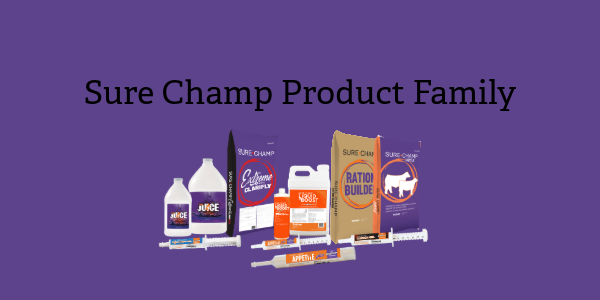
- Sure Champ® Climate Control Gel
- Sure Champ® Clench Gel
- Sure Champ® Appetite Plus® Gel
The Sure Champ gels each contain the prebiotic Amaferm and are quick-acting, fulfilling a specific challenge. Appetite Plus encouraged eating and drinking. Climate Control supports digestive health and recovery when temperatures are above 70 degrees. Clench supports normal digestive function during occasional diarrhea/scours.
Being prepared allows exhibitors to spend less time solving problems and more time caring for their animals.
Watch for Signs of Stress Every Day
Even experienced exhibitors should monitor livestock closely throughout the fair.
Early signs of stress can include:
- Reduced feed intake
- Increased breathing rate
- Standing away from other animals
- Less alert behavior
- Decreased water consumption
- Loose manure
- Reduced activity
Recognizing these changes early allows exhibitors to respond before minor issues become larger problems.
Frequently Asked Questions
How do you prepare livestock for the state fair?
Begin preparing months before the fair by maintaining consistent feeding – typically twice a day and 12 hours apart – exercise and handling routines. Practice loading, hauling and spending time away from home whenever possible. Focus on nutrition, hydration and minimizing unnecessary stress before departure.
How do you reduce stress in show livestock during travel?
Reduce travel stress by hauling safely, allowing adequate ventilation, avoiding overcrowding and returning animals to their normal feeding and watering schedule as quickly as possible after arrival. Keeping routines familiar helps livestock adapt more easily.
How do you keep show livestock cool at the state fair?
Provide fresh water, maximize airflow with fans, avoid excessive activity during the hottest part of the day and use species-appropriate cooling methods. Closely monitor animals for signs of heat stress throughout the event. Provide a product like Sure Champ Climate Control that acts as vasodilator and contains our proprietary HEAT technology, a combination of essential oils, to support animals when heat is a challenge. In addition in contains Amaferm, a prebiotic research-proven to enhance digestibility and it promotes appetite and water intake.
What should you feed livestock before a state fair?
Avoid making sudden ration changes immediately before the fair. Continue feeding a balanced diet that supports digestive health and consistent feed intake. Products containing research-backed technologies like Amaferm can help support digestive function during periods of environmental stress.
Success Begins Before the First Class
Champions are not made during the few minutes they spend in the ring. They are built through weeks of thoughtful planning, consistent nutrition and careful daily management.
The most successful state fair show livestock preparation plans recognize that travel, heat, unfamiliar surroundings and long days all place added demands on livestock. By preparing for those environmental stressors before leaving home and maintaining consistent care throughout the fair, exhibitors can help cattle, sheep, goats and pigs remain healthy, comfortable and ready to perform when it matters most.
You can help your animals have a successful state fair by giving them products from Sure Champ that support the health and well-being of show livestock.
Get Your Sure Champ Today
State fair is an exciting time to showcase hard work and dedication. By focusing on hydration, nutrition, digestive health, heat management, and other environmental stressors, exhibitors can help their animals thrive during even the hottest week of the year.
Include Sure Champ in your state fair show livestock preparation plan. You can get your Sure Champ products as easily as ordering online today. Sure Champ products are now available on Amazon and Chewy.
Do you prefer to support a local Sure Champ dealer? Find a dealer near you to find all your favorite Sure Champ and other BioZyme products.
Want to stay current on all of our educational blogs and news? Sign up for our newsletter.